Growing Microgreens Without Soil: Hydroponic Techniques
Microgreens are a popular choice for indoor gardening enthusiasts. They are not only nutritious but also relatively easy to grow. In this article, we will explore effective hydroponic techniques for growing microgreens without the use of soil, providing you with practical tips and methods to get started.
Understanding Hydroponic Microgreens
Hydroponics is a method of growing plants without soil, using nutrient-rich water instead. This technique allows for greater control over the growing environment and can lead to faster growth rates. Studies show that hydroponically grown microgreens can grow up to 30% faster than those grown in soil, making this an attractive option for indoor gardeners.
"Many users report that hydroponic systems are easier to manage and can yield healthier plants." - Hydroponics Expert
Benefits of Growing Microgreens Hydroponically
- Space-Efficient: Hydroponic systems can be set up in small areas, making them ideal for apartments or homes with limited space.
- Faster Growth: On average, hydroponic microgreens can be harvested in just 7 to 14 days, compared to 14 to 21 days for soil-grown alternatives.
- Less Risk of Pests: Growing without soil reduces the incidence of pests and diseases that typically thrive in soil environments.
Step-by-Step Hydroponic Technique for Growing Microgreens
To successfully grow microgreens hydroponically, follow these simple steps:
- Choose Your Seeds: Select microgreen varieties such as broccoli, radish, or pea shoots, which are well-suited for hydroponics.
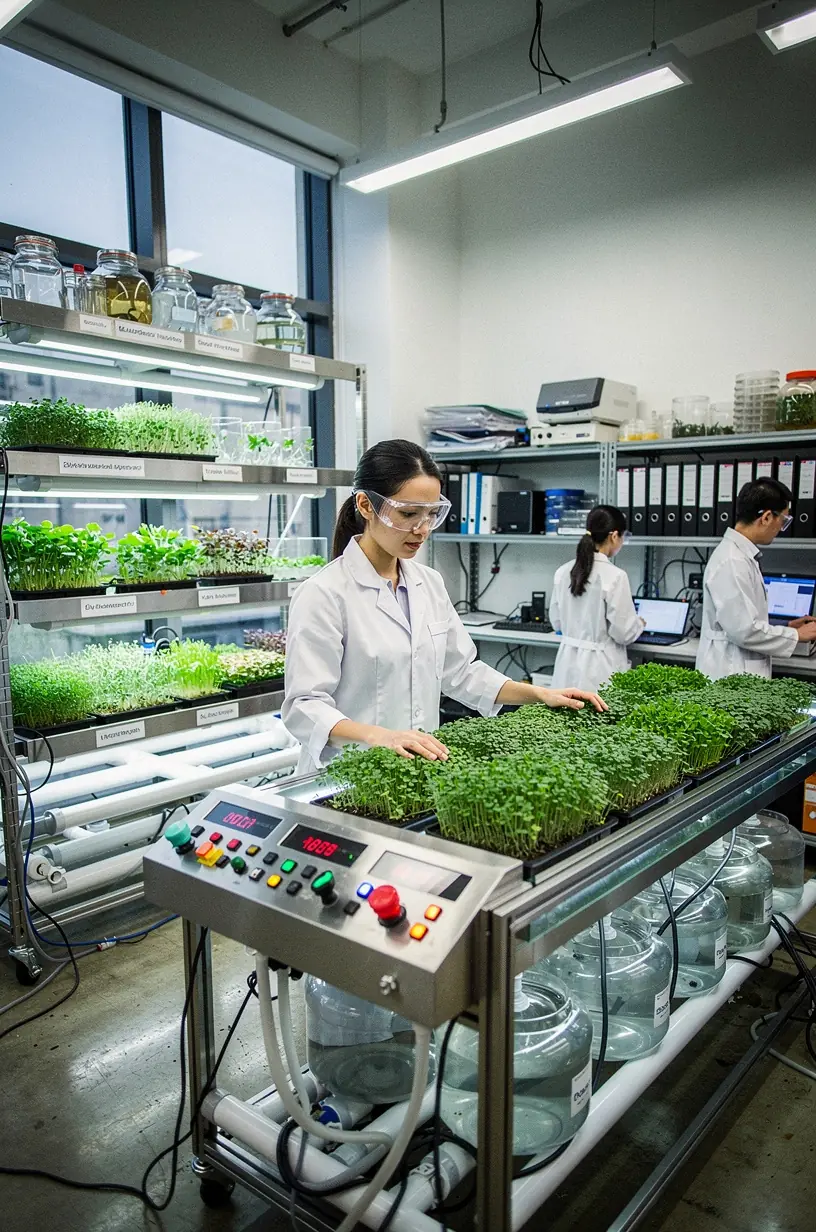
- Prepare Your Hydroponic System: Set up your chosen hydroponic system - options include a simple tray with a nutrient solution or more advanced setups like NFT (Nutrient Film Technique) or aeroponics.
- Mix Nutrient Solution: According to industry standards, a balanced nutrient solution is essential for optimal growth. Most hydroponic specialists recommend a diluted liquid fertilizer specifically designed for hydroponics.
- Sow Seeds: Evenly distribute the seeds over the growing medium, which could include materials like coconut coir or hemp mats. Ensure the seeds are not overcrowded to allow for healthy growth.
- Maintain Environment: Keep the microgreens in a warm, well-lit area. Typically, they need around 12-16 hours of light per day and temperatures between 60°F and 75°F.
- Harvest: When the microgreens develop their first true leaves, they are ready to harvest. This usually occurs within 7 to 14 days post-sowing.
Common Challenges and Considerations
While hydroponic microgreens can be rewarding, there are a few challenges to be aware of:
- Learning Curve: Beginners may face a learning curve in managing nutrient levels and monitoring plant health. Adequate research and understanding of hydroponic systems are advisable.
- Time Commitment: Although the growth period is short, daily maintenance is required to check nutrient levels and water quality.
- Initial Setup Cost: Hydroponic systems can require an upfront investment, from trays to lighting, which may not be suitable for all budgets.
Conclusion
Hydroponic techniques for growing microgreens offer an effective and efficient way to enjoy fresh greens at home. By following the steps outlined above and being mindful of the challenges, you can create a thriving indoor garden. Remember, success in hydroponics often comes down to experimentation and learning, so don’t hesitate to adjust your methods as you gain experience. Happy gardening!
Learn More