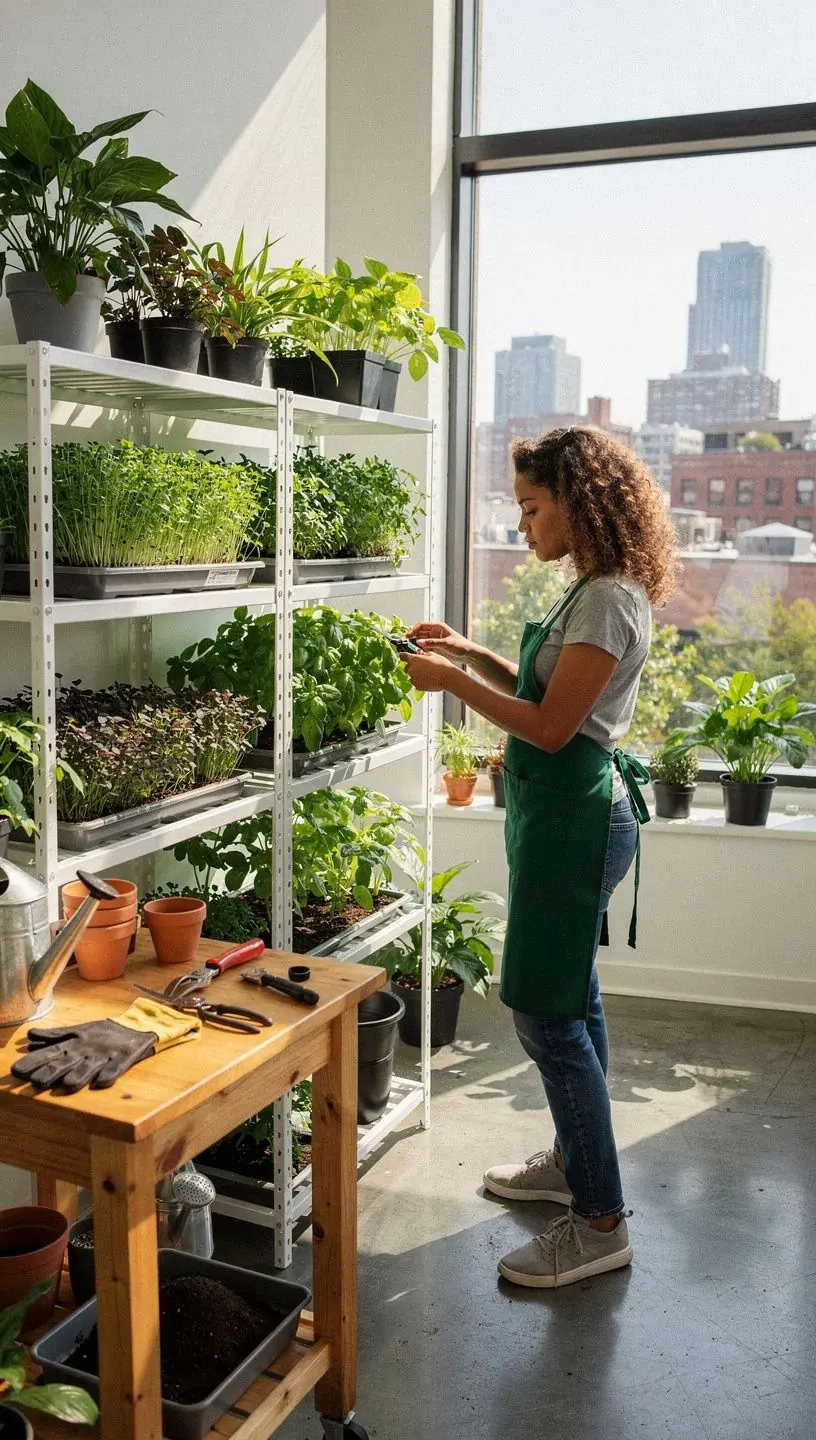
How to Harvest and Store Microgreens Effectively
Microgreens are a popular choice for indoor gardening enthusiasts, offering a burst of flavor and nutrition in a small package. However, understanding how to properly harvest and store these delicate plants is crucial for maximizing their benefits. This guide will provide you with evidence-based strategies to ensure your microgreens remain fresh and flavorful.
Understanding the Basics of Microgreens
Microgreens are young, edible plants harvested just after the first true leaves have developed. According to studies, they typically contain higher nutrient levels than their mature counterparts. Common varieties include arugula, radish, broccoli, and sunflower. Harvesting them at the right time and storing them properly can significantly enhance your indoor gardening experience.

"Research indicates that microgreens can contain up to 40 times higher levels of nutrients than mature vegetables."
When to Harvest Microgreens
Typically, microgreens are ready for harvest between 7 to 21 days after germination, depending on the variety. Here are some tips for determining the right time:
- Look for true leaves: Harvest when the first set of true leaves emerges.
- Check the height: Most microgreens should be around 1 to 3 inches tall at harvest time.
- Color matters: Vibrant colors often indicate nutritional density; dull or yellowing leaves may suggest it's time to harvest.
Steps for Effective Harvesting
To ensure a successful harvest, follow these steps:
- Prepare your tools: Use clean, sharp scissors or a knife to prevent damage to the plants.
- Harvest gently: Cut the microgreens just above the soil line to avoid tearing the roots.
- Handle with care: Place the harvested microgreens in a container without crushing them, as they are delicate.
Storing Microgreens for Maximum Freshness
After harvesting, proper storage is essential to maintain the flavor and nutrients of your microgreens. Consider these methods:
- Refrigeration: Store microgreens in a breathable container, such as a paper bag, to absorb excess moisture and prevent wilting.
- Use damp paper towels: Wrapping microgreens in slightly damp paper towels can help maintain humidity without risking rot.
- Airtight containers: For longer storage, airtight containers can be used, but be cautious of condensation which may lead to spoilage.
Common Mistakes to Avoid
While harvesting and storing microgreens may seem straightforward, it's essential to avoid common pitfalls:
- Harvesting too late can lead to bitterness and loss of nutrients.
- Storing in plastic bags without ventilation can cause moisture buildup and spoilage.
- Neglecting to wash them properly before storage may introduce bacteria and shorten shelf life.
Conclusion
Harvesting and storing microgreens effectively requires attention to timing, technique, and storage conditions. By following these guidelines, you can enjoy fresh, flavorful microgreens that enhance your meals and contribute to your indoor gardening success. Remember, the effort you invest in understanding these processes pays off in delicious and nutritious results.
Learn More