Managing Humidity Levels for Indoor Gardens
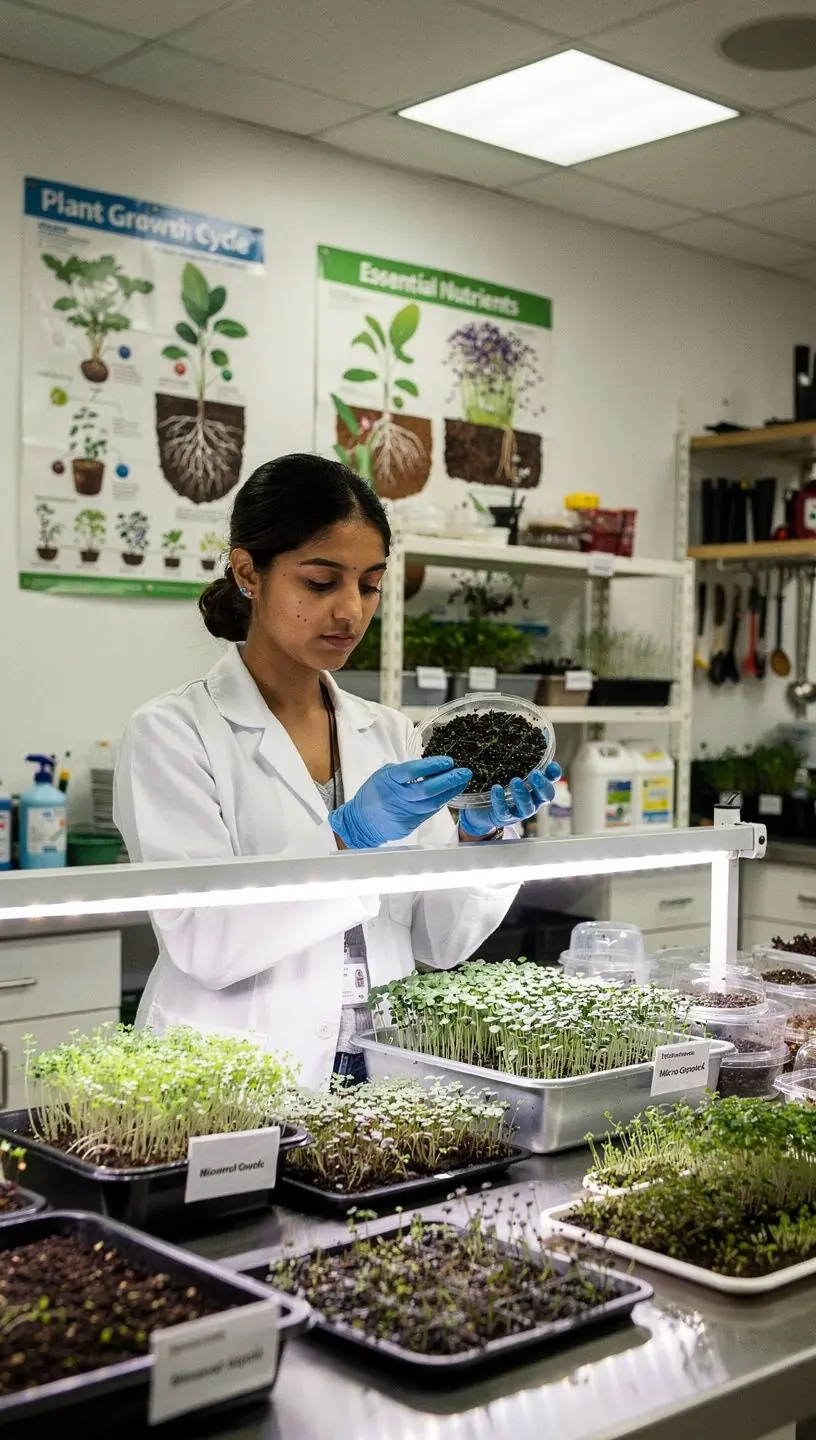
Indoor gardening can be a rewarding hobby, especially when growing microgreens and houseplants. However, managing humidity levels effectively is crucial for maintaining healthy plants. This article provides insights into the significance of humidity and practical tips for optimizing it in your indoor garden.
Understanding the Importance of Humidity
Humidity is the amount of water vapor present in the air. For indoor gardens, particularly those cultivating microgreens and various houseplants, maintaining appropriate humidity levels is essential for several reasons. According to research, optimal humidity can:
- Enhance Photosynthesis: Plants absorb water and carbon dioxide from the air. The right humidity levels can facilitate this process, which is vital for growth.
- Prevent Diseases: High humidity can create a favorable environment for fungal diseases, while too low humidity can lead to issues like leaf drop and wilting.
- Improve Nutrient Uptake: Adequate humidity levels can help plants better absorb nutrients from the soil.
"Experts recommend maintaining humidity levels between 40-60% for optimal plant growth, depending on the specific plant species."
How to Measure and Manage Humidity
To effectively manage humidity, it’s important to first measure it. You can obtain a hygrometer, a device designed to measure humidity levels. Many users find digital hygrometers to be more accurate and easier to read than analog models.
Methods for Regulating Humidity
There are various methods to maintain humidity in your indoor garden:
- Use Humidifiers: A humidifier is a reliable tool that can help maintain consistent humidity levels. It's important to select one that suits the size of your growing area.
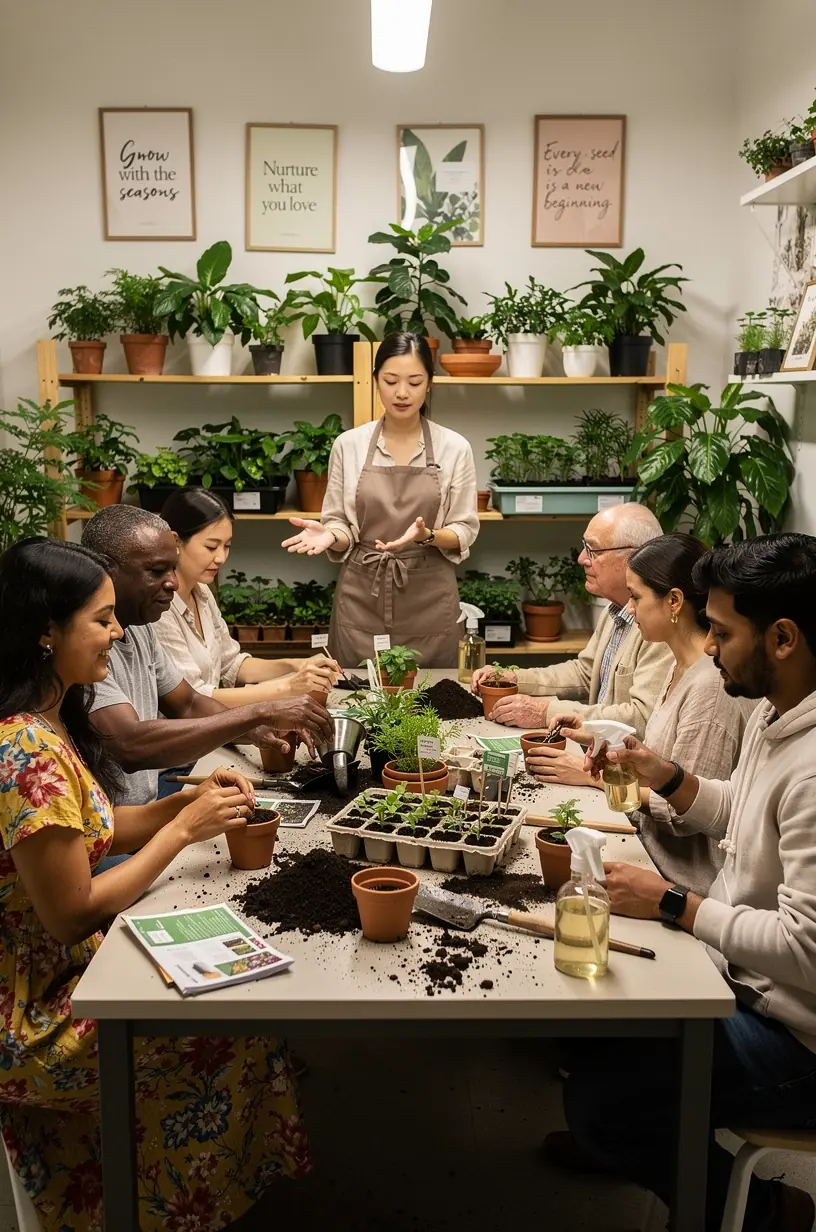
- Group Plants Together: This is a simple yet effective technique. Plants release moisture through transpiration, and grouping them can create a microclimate that retains humidity.
- Misting: Regularly misting plants can temporarily increase humidity. However, it's essential not to overdo it, as constant wetness can promote fungal growth.
- Water Trays: Placing trays of water near your plants can help increase humidity through evaporation. Make sure to change the water regularly to avoid stagnation.
Challenges and Considerations
While managing humidity is crucial, it does come with its challenges. For instance, maintaining the right humidity levels can take time and may require adjustments based on seasonal changes. Many users report that
- In winter, humidity levels often drop due to heating systems, and additional measures may be necessary to avoid dry air.
- In some cases, high humidity can lead to mildew or mold, so it's essential to monitor plants closely and ensure good air circulation.
This balance typically requires dedication and regular monitoring to ensure that conditions remain optimal for your indoor plants.
Conclusion
Effectively managing humidity levels in your indoor garden can significantly enhance plant health and productivity. By understanding the importance of humidity, utilizing the right tools, and implementing practical strategies, you can create an ideal environment for your microgreens and houseplants. Remember, maintaining the right humidity is a continuous process, often requiring adjustments based on environmental factors and plant needs. With the right approach, you can cultivate a thriving indoor garden that brings joy and nourishment.
Learn More