How to Create an Indoor Gardening Lab
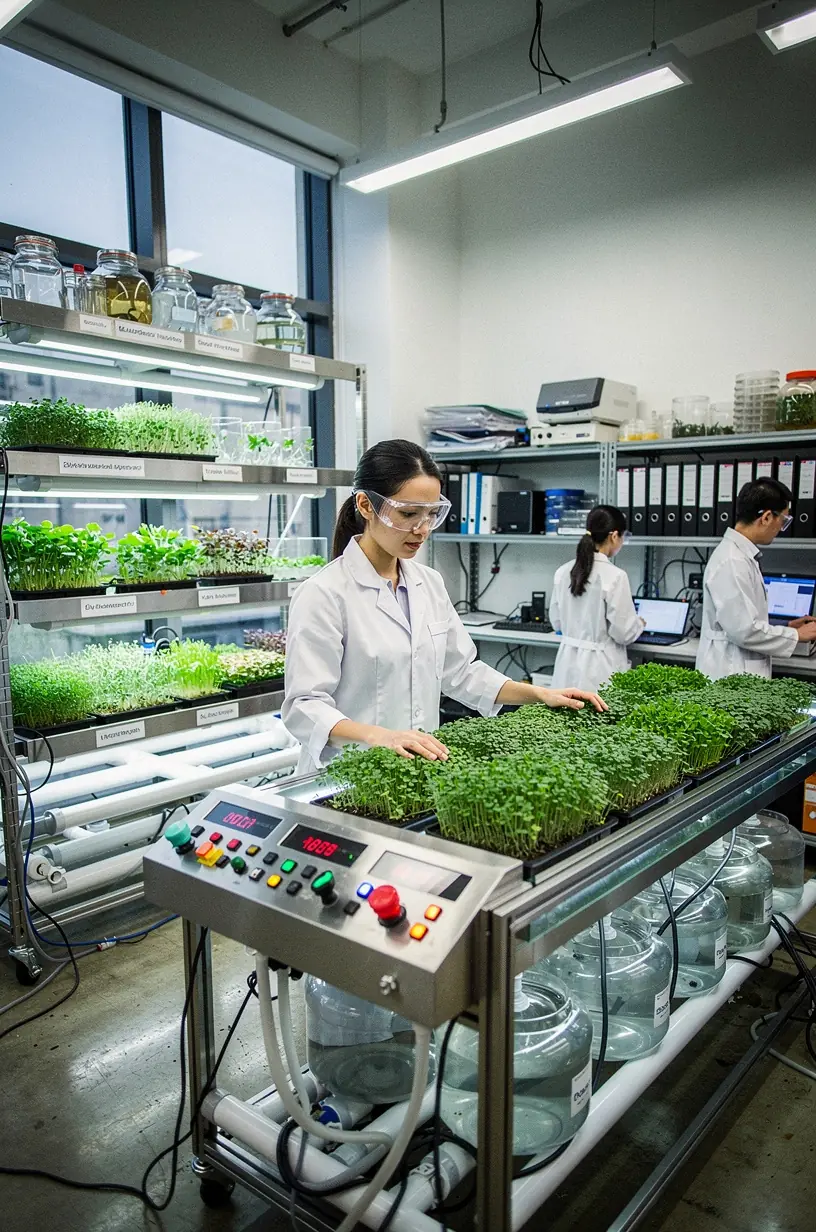
Establishing an indoor gardening lab can be both an enjoyable and rewarding endeavor. This guide outlines important elements to consider, ensuring you cultivate a thriving environment for microgreens and other home plants.
Understanding the Basics of Indoor Gardening
Indoor gardening labs focus on creating optimal environments for plant growth, often in spaces that lack natural sunlight or have limited outdoor access. According to experts, setting up an indoor gardening lab can provide year-round access to fresh greens and herbs, which is particularly beneficial for urban dwellers.
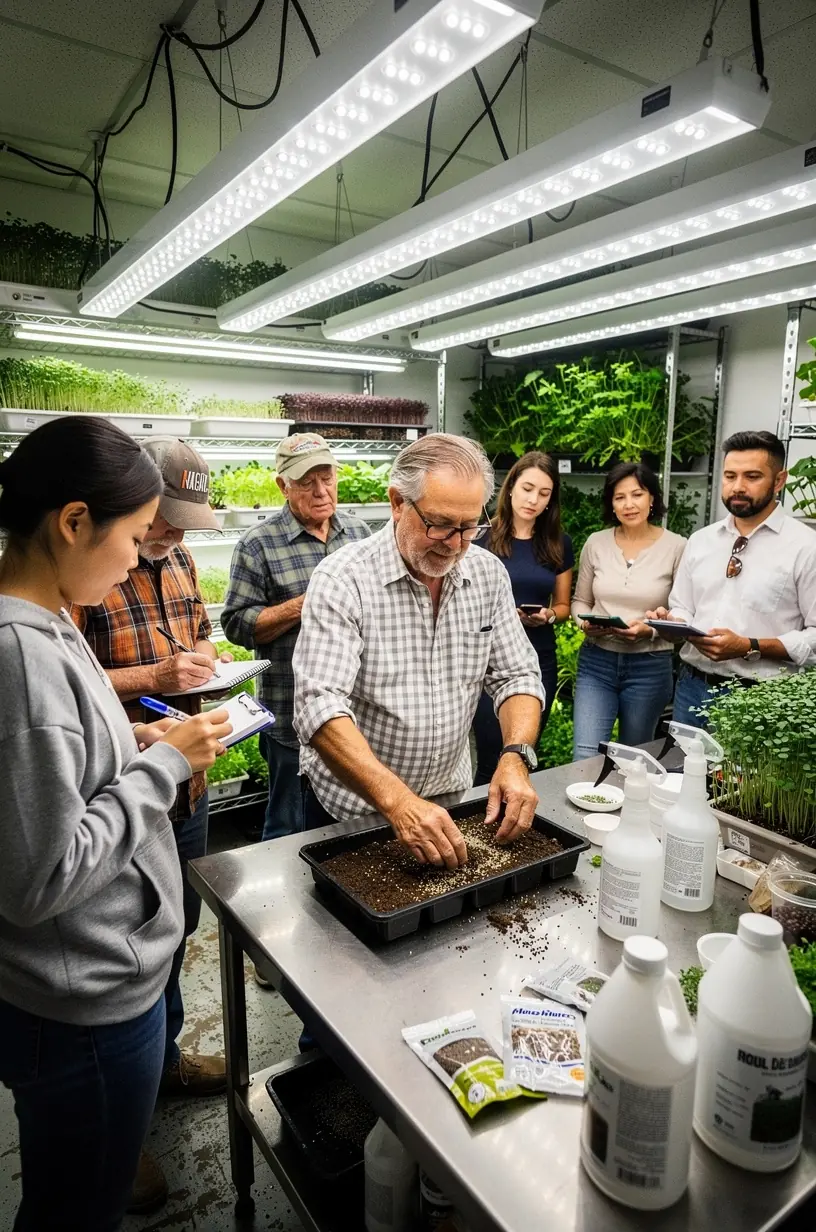
"Creating a designated space for indoor gardening can significantly enhance your ability to grow a variety of plants effectively." - Gardening Expert
Essential Components for Your Indoor Gardening Lab
When planning your indoor gardening lab, consider the following components:
- Lighting: Plants require adequate lighting to photosynthesize. LED grow lights are often recommended due to their energy efficiency and ability to provide the spectrum of light plants need.
- Climate Control: Maintaining a stable temperature and humidity level is crucial. Typical indoor plants thrive best at temperatures between 65-75°F (18-24°C).
- Soil and Containers: Use high-quality potting soil that drains well, along with appropriately sized containers to support healthy root growth.
Steps to Set Up Your Indoor Gardening Lab
Creating an effective indoor gardening lab can be broken down into several manageable steps:
- Selecting the Space: Choose a location that receives indirect sunlight or can accommodate grow lights. Ensure the area has access to water and electricity.
- Installing Lighting: Set up your grow lights, ensuring they are adjustable as plants grow. Many users report placing lights 12-24 inches above plants for optimal growth.
- Regulating Temperature and Humidity: Use a thermometer and hygrometer to monitor conditions. Industry experts suggest using fans or heaters as needed to maintain ideal conditions.
- Choosing Your Plants: Start with microgreens or easy-to-grow houseplants. Many beginners find that plants like basil, lettuce, and radishes thrive in indoor settings.
- Monitoring Growth: Regularly check for pests, water needs, and growth progress. Adjust your care routine as necessary.
Conclusion
Establishing an indoor gardening lab requires careful planning and consideration of various factors. While it typically takes a few weeks to see initial growth, the rewards of having fresh produce at your fingertips can be well worth the effort. By following these guidelines and utilizing industry best practices, you can create a reliable and productive indoor gardening environment.