Optimal Lighting Conditions for Home Plants
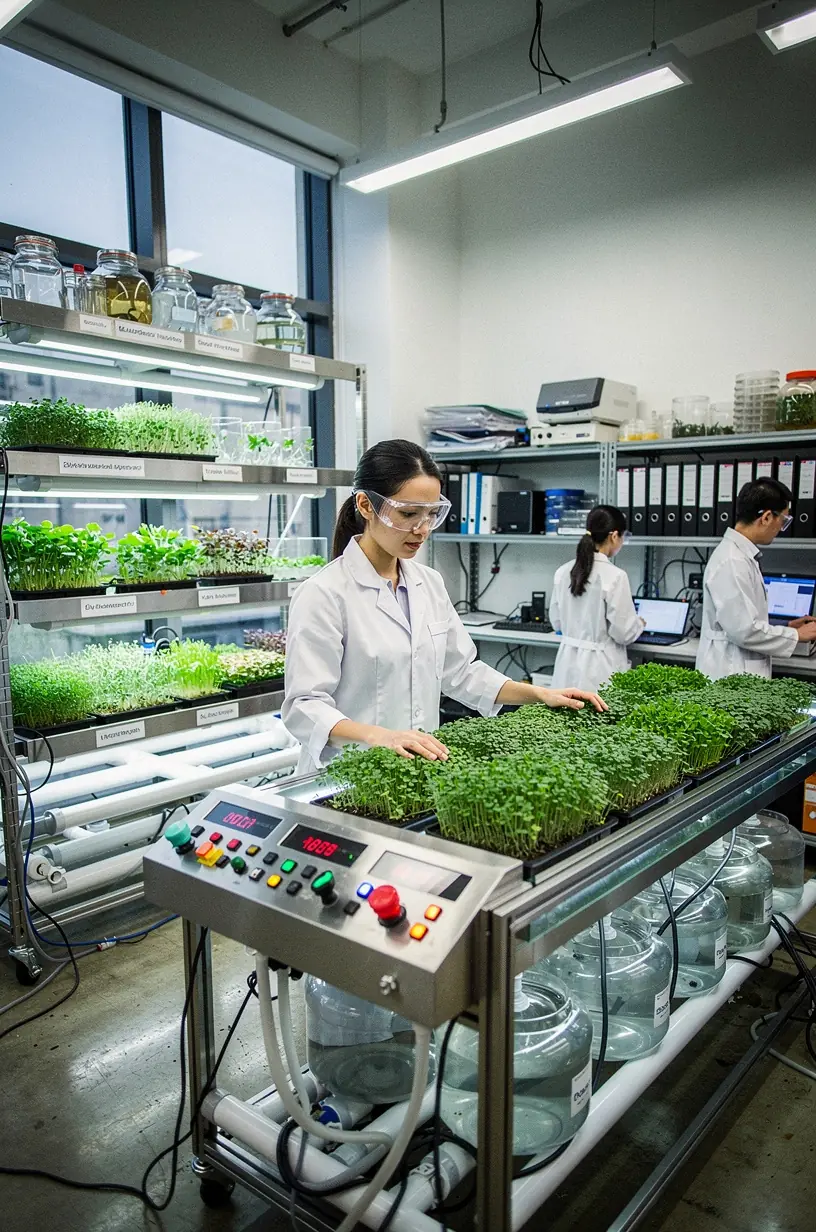
Creating the right lighting conditions is crucial for the health and growth of home plants. In this article, we explore evidence-based strategies to help you optimize indoor lighting for your microgreens and other houseplants.
Understanding the Basics of Plant Lighting
Plants require light for photosynthesis, the process in which they convert light energy into chemical energy. According to research conducted by the American Society of Horticultural Science, the quality and quantity of light significantly influence plant growth. This is why understanding the light requirements of your plants is essential.
Typically, there are three categories of light conditions: low light, medium light, and bright light. Different plants thrive under different conditions, so it’s important to know where your plants fall on this spectrum.
"Research indicates that optimal light conditions can enhance plant growth rates by 20-30% under controlled environments."
Types of Lighting Options
There are various lighting options available for indoor plants, each with its own advantages and limitations:
- Natural Light: Many users report success using natural sunlight, which is often the best source of light for plants. However, this method is dependent on your location and season, which may not provide consistent light year-round.
- Fluorescent Lights: These lights are energy-efficient and suitable for low to medium light plants. They can often provide sufficient light for seedlings and microgreens, making them a reliable choice.
- LED Grow Lights: Experts recommend using LED lights for their energy efficiency and low heat output. They can be tailored to emit specific wavelengths that plants require for optimal growth.
Determining the Right Light Conditions for Your Plants
To effectively light your indoor garden, consider the following steps:
- Identify Your Plants: Research the specific light needs of your plants. Many houseplants prefer bright, indirect light, while others may thrive in shadier conditions.
- Evaluate Your Space: Observe how much natural light your space receives throughout the day. Note the varying conditions in different rooms and times of year, as these can affect plant health.
- Adjust Accordingly: If natural light is insufficient, consider incorporating artificial light sources. Position lights close to plants to ensure they receive adequate exposure, typically within 12 inches for fluorescent and LED lights.
Common Mistakes to Avoid
There are several common mistakes to be aware of when setting up lighting for your indoor plants:
- Overexposure: Too much direct sunlight can scorch leaves, especially for plants not adapted to such conditions. Monitor your plants for signs of stress.
- Underexposure: Conversely, many plants may not thrive if they receive insufficient light. Look for signs of leggy growth or yellowing leaves as indicators of inadequate lighting.
- Ignoring Seasonal Changes: Light availability changes with the seasons. Adjust your lighting setup as needed to accommodate shifts in natural light.
Conclusion
Optimizing lighting conditions for your indoor plants involves a blend of understanding plant needs, evaluating your environment, and making informed choices about lighting. While many users have experienced significant growth improvements with appropriate lighting setups, it’s essential to remain patient. Results typically become evident over a span of a few weeks to months, depending on the types of plants and lighting conditions used.
By applying these strategies, you can create a thriving indoor garden that yields lush, healthy plants. Remember that learning and adjusting your approach is part of the gardening process—embrace it as you cultivate your green thumb!
Learn More